
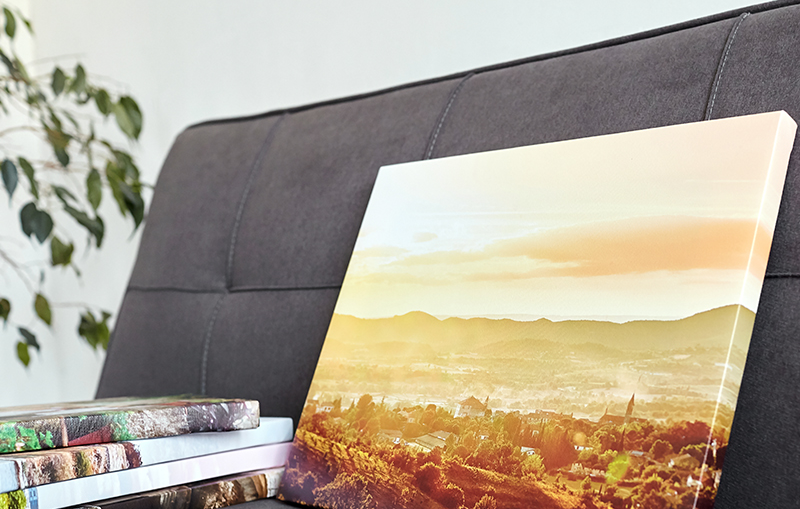
A blank wall is one of the easiest things to overlook in a home, and one of the simplest to fix. Canvas prints for home decor have become a go-to solution because they add color, texture, and personality without the commitment of a paint change or the cost of custom framing.
The difference between a canvas that looks like an afterthought and one that reads as a real design choice usually comes down to a handful of decisions made before ordering.
Custom Sizing Solves Most Placement Problems
Off-the-shelf frame sizes rarely match a wall’s actual proportions, which is where custom size canvas printing earns its place. Building a canvas to the exact dimensions a wall calls for avoids the common problem of a piece that looks too small and lost, or so large it crowds the room.
For larger installations, services for big canvas printing in NYC can produce a single oversized panel as a true statement piece, which tends to make more visual impact in a room than several smaller prints competing for attention.
Multi-panel arrangements have their place too, particularly on longer walls where a single canvas would look stretched thin. Splitting an image, or a themed set of separate images, across two or three panels with consistent spacing between them can fill a long stretch of wall without needing one enormous piece.
Choosing Art That Fits the Room’s Mood
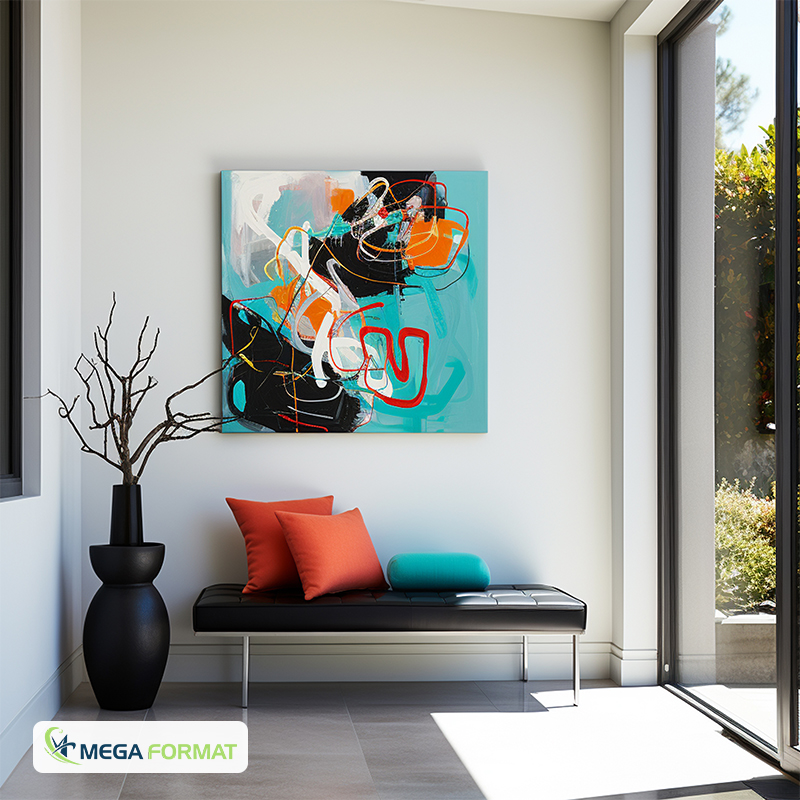
Color and subject matter should work with the room, not just look good on their own. A bold, high-contrast piece energizes a living room, while a softer palette usually suits a bedroom better. Repeating a color already present in furniture or textiles ties a canvas into the room rather than leaving it feeling like a separate addition.
Design associations like AIGA emphasize that visual balance, giving a piece enough breathing room and aligning it with existing lines in a space, matters as much as the image itself. A stunning photo hung too low, too high, or too close to a light fixture rarely reads as intentional.
Placement and Height Guidelines Worth Knowing
A common mistake is hanging art too high, a habit left over from taller ceiling heights in older design trends. As a general rule, the center of a canvas should sit around eye level, roughly 57 to 60 inches from the floor, adjusted slightly for very tall or short furniture nearby.
Spatial design principles from organizations like SEGD, which focuses on how people experience physical environments, apply at home too: art should guide the eye naturally through a space rather than competing with doorways, light switches, or other fixed points.
Protecting the Investment Over Time
Once a canvas is hung, its placement affects how well it holds up. Direct sunlight is the most common cause of fading over time, a concern well documented by conservation bodies like the Canadian Conservation Institute, which publishes detailed guidance on light and humidity exposure for painted and printed surfaces alike.
A north-facing wall or a spot without direct afternoon sun is generally the safest long-term placement for a larger investment piece. If direct light can’t be avoided, a UV-protective coating on the canvas is worth the small added cost, particularly for pieces meant to stay in place for years rather than seasons.
The Smithsonian’s Museum Conservation Institute notes similar concerns around humidity swings near kitchens or bathrooms, which is worth factoring in before committing to a spot for a larger, more expensive canvas.
Making It Happen
Turning a blank wall into a real statement piece usually comes down to planning: measuring the space first, choosing art that fits the room’s mood, and hanging it at the right height. None of it requires design training, just a bit of intention before ordering.
At Mega Format, we provide large canvas printing in NYC is built to the exact size your wall needs, with gallery wrap, museum wrap, and framed options available. Our team can also review your file before printing to make sure it holds up at the size you’re planning.
Ready to fill that blank wall? Upload your artwork to start your order, or contact us if you’d like help thinking through size and placement first.
