
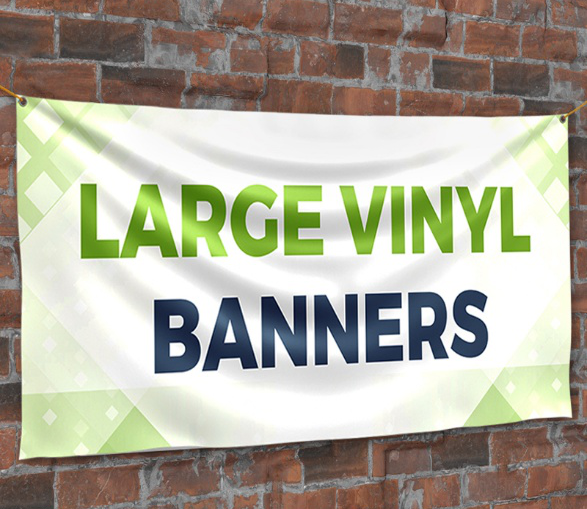
A banner can be oversized and still fail. If the lettering is too small, the message is crowded, or the format does not suit the space, extra square footage does not help. Knowing how to choose banner size starts with understanding where people will see it, how quickly they will pass it, and how much information they need to absorb.
For businesses using large-format printing in NYC, that might mean a storefront banner viewed across the street or a display positioned a few feet from trade show visitors. The same dimensions will not work equally well in both settings.
Start With Viewing Distance and Available Space
Viewing distance should shape the banner dimensions and the scale of the design. A banner seen from across a room or street generally needs larger lettering, fewer words, and a simpler layout than one beside a registration desk. Measure the installation area and note doors, fixtures, booth structures, obstructions, or venue restrictions.
Do not automatically fill every available inch. Some breathing room can make the display easier to notice, while an oversized banner squeezed into a tight area may look cramped.
How to Choose Banner Size for Audience Movement
Think about whether people will stop, walk past, drive past, or approach from multiple directions. Fast-moving audiences have less time to read, so keep the main message short. At busy events, pull-up banners for trade shows are most useful when visitors can understand the key point quickly.
Orientation matters too. A horizontal vinyl banner can suit a fence, storefront, stage, or booth wall, while a vertical retractable display uses floor space efficiently. Mega Format’s retractable banner printing in NYC is offered in set widths and heights, so the display system may limit the proportions available to your design.
Match the Size to the Message
More space should not become an excuse to add more copy. Start with the essentials: brand name, main message, and one supporting detail or call to action. If the content needs paragraphs of explanation, a banner is probably the wrong format.
Artwork quality also matters as dimensions increase. Mega Format provides file setup guidance for larger vinyl banners, including scaled artwork for oversized jobs. Adobe notes that viewing distance affects how much image resolution is needed for large-format prints, so artwork should be prepared with the final size and placement in mind.
Consider the Event Environment
Indoor booths, outdoor promotions, retail spaces, and large venues create different sizing demands. Check hanging methods, booth boundaries, ceiling clearances, and whether the banner will be viewed from one side or both. Where traffic approaches from two directions, double-sided retractable banners can make better use of the same floor area.
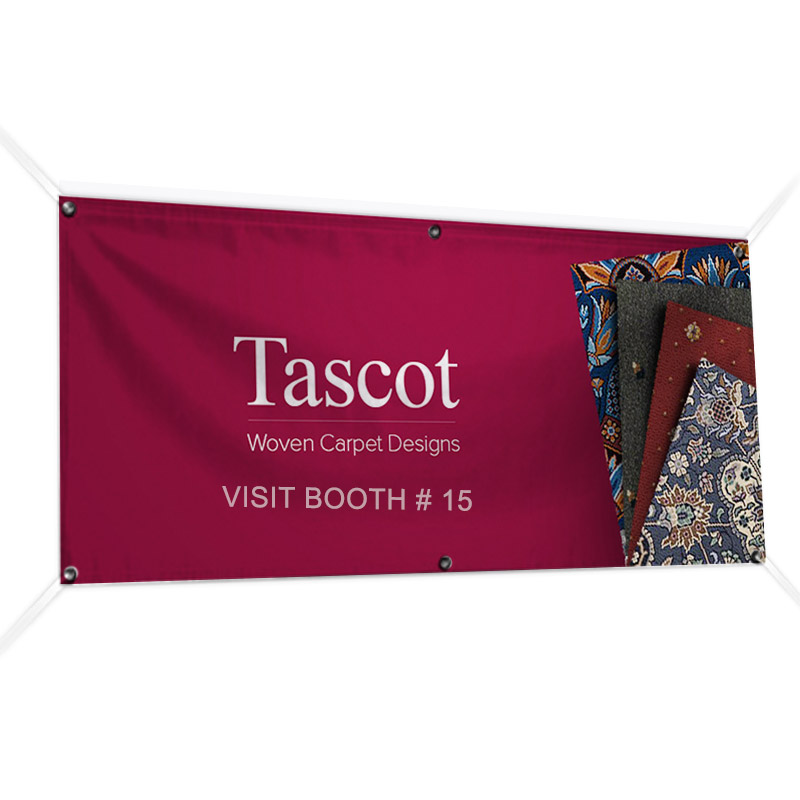
Choose Dimensions Before Finalizing the Design
Settling the size before final artwork helps prevent stretched logos, crowded margins, and last-minute layout changes. If you are planning a custom banner or large display, we can help you think through dimensions, finishing, and artwork. Contact Mega Format to discuss the installation space and viewing conditions, or request a custom quote for a size tailored to your project. If you are still deciding how to choose banner size, starting with the real environment usually leads to a clearer result.
