
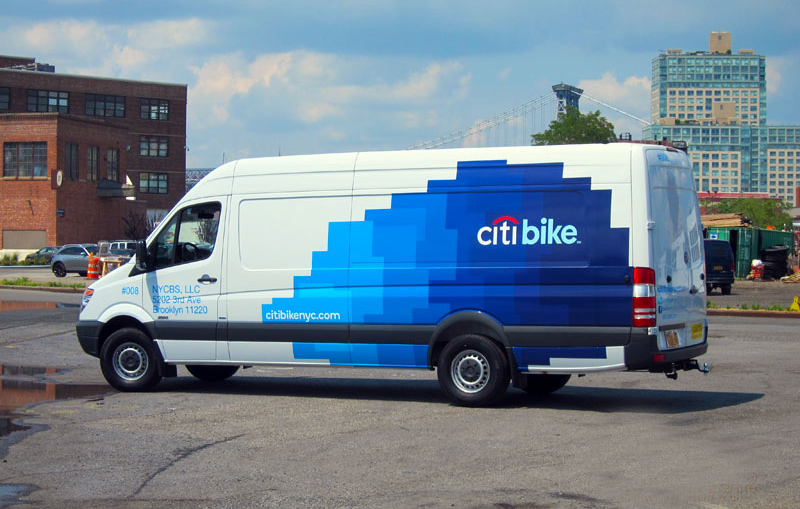
A vehicle wrap or fleet graphic only works if every stage behind it holds up: the design, the material, the print, and the install. Skip a step, or rush one, and it shows up later as a lifted edge, a mismatched color, or a design element that lands right on a door handle. For shops offering vehicle graphics printing services, tightening up that process from first sketch to final squeegee pass is what separates a wrap that looks sharp for years from one that needs a redo in six months.
None of this requires reinventing how a shop works. It usually means being more deliberate about a handful of decision points that get rushed when a job is on a tight deadline.
Start With Files Built for the Vehicle, Not Just the Design
Vehicle graphics fail more often at the file stage than at the press. A flat design that looks great on a screen can land badly once it wraps around a mirror, a door seam, or a gas cap. Templates built from the vehicle’s actual panel dimensions, not generic stock outlines, catch these problems before anything gets printed.
Use vector artwork wherever possible so edges and text stay sharp at full-vehicle scale
Map out panel seams, handles, and trim so no critical design element lands on a break point
Confirm bleed and wrap-around allowances before the file goes to print, not after
Choosing the Right Adhesive Vinyl for the Job
Material choice depends heavily on the vehicle and the timeline. Cast vinyl films conform tightly to curves and are the standard for full wraps, while calendered films work well for flat panels and shorter-term promotions. Either way, self-adhesive vinyl printing needs to be matched to the surface it’s going on, not chosen out of habit.
For simpler jobs like door decals or fleet numbers, large format adhesive vinyl printing on a lighter film keeps costs down without sacrificing how the graphic reads from the road. Shops that offer both options can match the material to the job instead of defaulting to one film for everything.
Color Accuracy From Screen to Panel
Brand colors need to look the same on a vehicle as they do in a logo file, and that’s harder than it sounds once ink, film, and lighting all enter the picture. Calibrated printers and consistent color profiles keep a client’s brand blue from drifting toward teal or purple once it’s printed and applied.
Standards from the International Color Consortium give printers and designers a shared reference point for color management, so a file built on one system prints predictably on another. It’s a useful check for any shop juggling multiple printers or design sources on the same fleet.
Know the Legal Visibility Rules Before You Print
Window graphics, especially rear window and side window designs, run into a real constraint: federal light transmittance rules. NHTSA treats most vehicle windows as requisite for driving visibility, which can limit how much of a window can be covered with solid graphics or dark perforated film. Designing around this early avoids a finished wrap that has to be reworked, or worse, one that draws a ticket.
Surface Prep Sets Up Everything Downstream
A perfectly printed graphic still fails if it’s applied over dirt, wax, or old adhesive residue. A thorough clean, a clay bar pass on painted panels, and the right ambient temperature during application all affect how well the film bonds and how long it lasts. Rushing this step is one of the most common reasons a wrap starts lifting at the edges within the first year.
Panel gaps, rivets, and recessed body lines each call for their own technique, whether that’s post-heating to relax the film into a curve or relief cuts around hardware to avoid trapped air. Installers who take the time to work section by section, rather than pulling the whole piece taut at once, end up with fewer bubbles and a cleaner finish overall.
Installer Safety and Air Quality Matter Too
Heat guns, adhesive activators, and solvent-based cleaners are all standard tools in an install bay, and they come with real handling considerations. OSHA publishes general workplace safety guidance covering tool use and ventilation that applies directly to a wrap installation area, and it’s worth building into a shop’s standard procedures rather than treating it as an afterthought.
Solvent-based adhesives and cleaning agents can also affect indoor air quality in an enclosed bay. The EPA’s guidance on volatile organic compounds is a useful reference for shops evaluating ventilation and product choices in spaces where installers spend hours at a time.
Aftercare Extends the Wrap’s Life
A wrap’s lifespan depends on more than the install. Hand washing instead of automatic car washes, avoiding pressure washers aimed directly at edges and seams, and keeping the vehicle out of direct sun when it’s parked for long stretches all add years to a graphic’s life. Passing along a short care sheet with every completed job is a small step that heads off a lot of avoidable comebacks.
Where This Leaves Print Shops Handling Vehicle Graphics
Every stage of a vehicle graphics printing service- design, material, color, legal compliance, install, and aftercare- affects how the finished piece performs on the road. Tightening up any one of these areas improves results. Tightening up all of them is what builds a reputation for wraps that still look sharp two or three years later.
At Mega Format, vehicle graphics sit alongside a full lineup of adhesive vinyl printing and signage services, including vehicle wraps, adhesive vinyl, and custom decals, all produced with the same attention to file prep, color matching, and material selection described above.
If you’re planning a fleet project and want help with any stage of the process, from self-adhesive vinyl sign printing to full-vehicle wraps, contact us to talk through the details, or request a custom quote to get started.
